
Exoplanets
Scientific analysis of planets orbiting stars outside our solar system and the methods used to detect them.
A Census of Distant Wobbles
The census of worlds beyond our sun reveals a cosmos far more crowded and chaotic than our own quiet neighborhood.
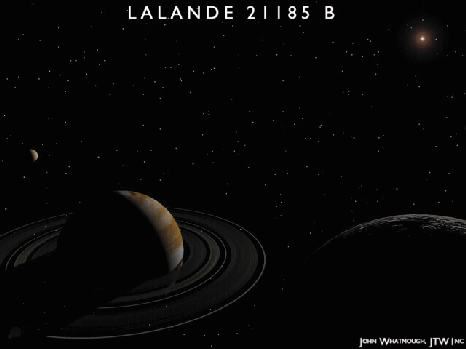
Worlds Beyond the Familiar
As our detection methods sharpen, the galaxy reveals itself not as a collection of anomalies, but as a crowded, diverse, and often surprising neighborhood.
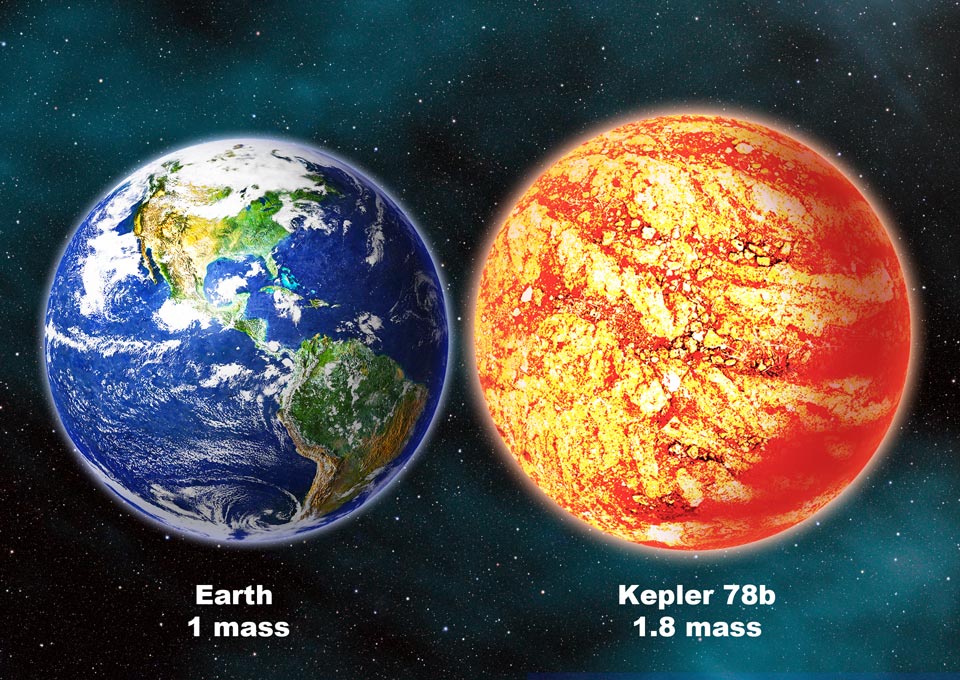
Shadows Across the Stellar Disk
As our detection methods sharpen, the galaxy reveals itself not as a collection of solar system replicas, but as a diverse and often extreme landscape of worlds.
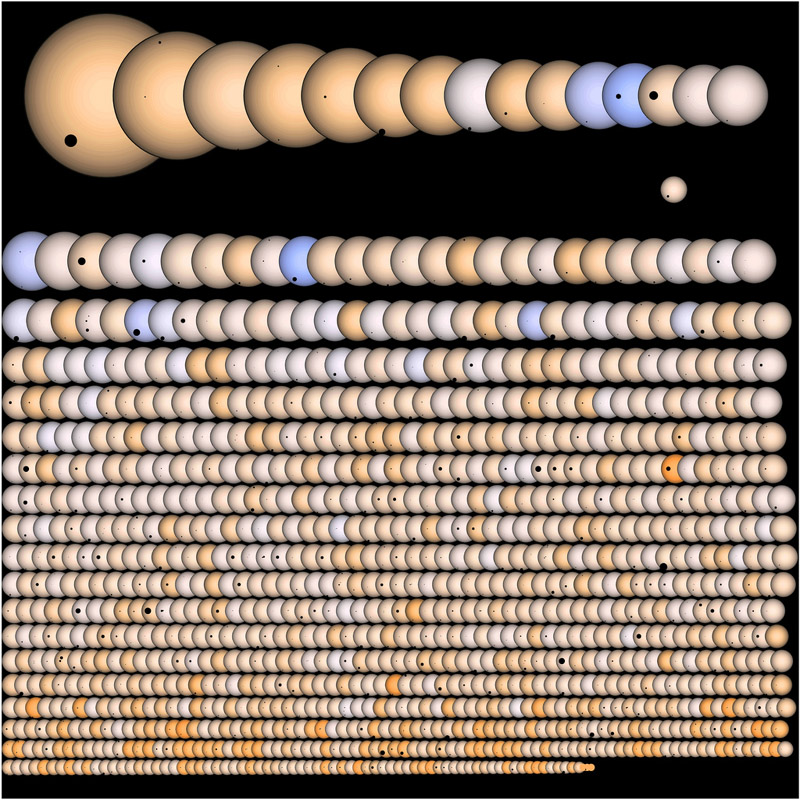
Beyond the Familiar Horizon
The search for worlds beyond our own has shifted from finding the exceptional to mapping the common, revealing a cosmos far more diverse than our local neighborhood suggests.
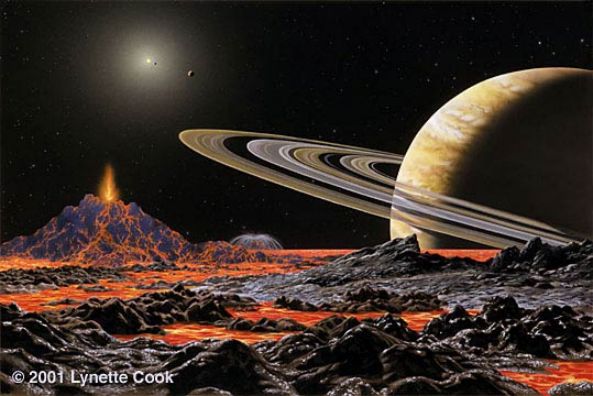
Worlds Beyond the Familiar
The census of distant planets reveals a chaotic, diverse reality that challenges our assumptions about the stability of solar systems.
Worlds Beyond the Familiar
The census of the galaxy reveals a chaotic, diverse, and often inhospitable collection of planetary bodies that defy our terrestrial expectations.
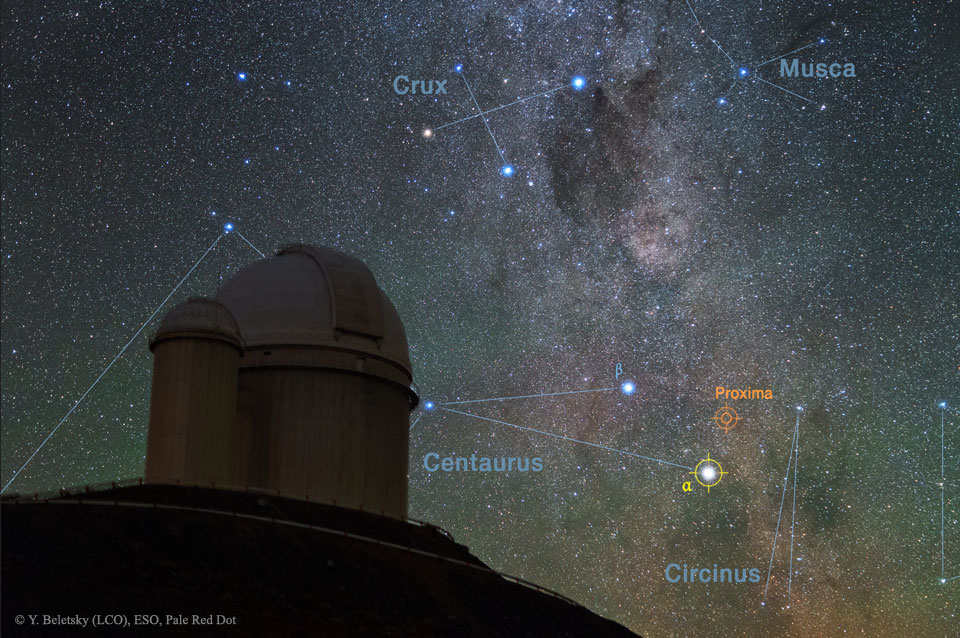
Neighbors in the Dark
The census of nearby star systems reveals a chaotic variety of worlds that defy our solar-centric expectations.
Neighbors in the Dark
Recent surveys of our immediate stellar vicinity reveal a collection of worlds that defy the familiar rhythms of our own solar system.
Shadows in the Near Field
Recent observations of nearby stars reveal a chaotic and varied collection of planets that challenge our understanding of what a solar system should look like.
Neighbors in the Dark
Recent surveys of our immediate galactic vicinity reveal a crowded, volatile neighborhood of worlds orbiting dim, distant suns.