
Scientific Modeling
Technical analyses and computational frameworks used to simulate complex natural phenomena and predict system behaviors.
Models Versus Physical Reality
From the mechanics of sleep to the birth of stars, our understanding of the universe relies on the fragile bridge between physical reality and mathematical abstraction.
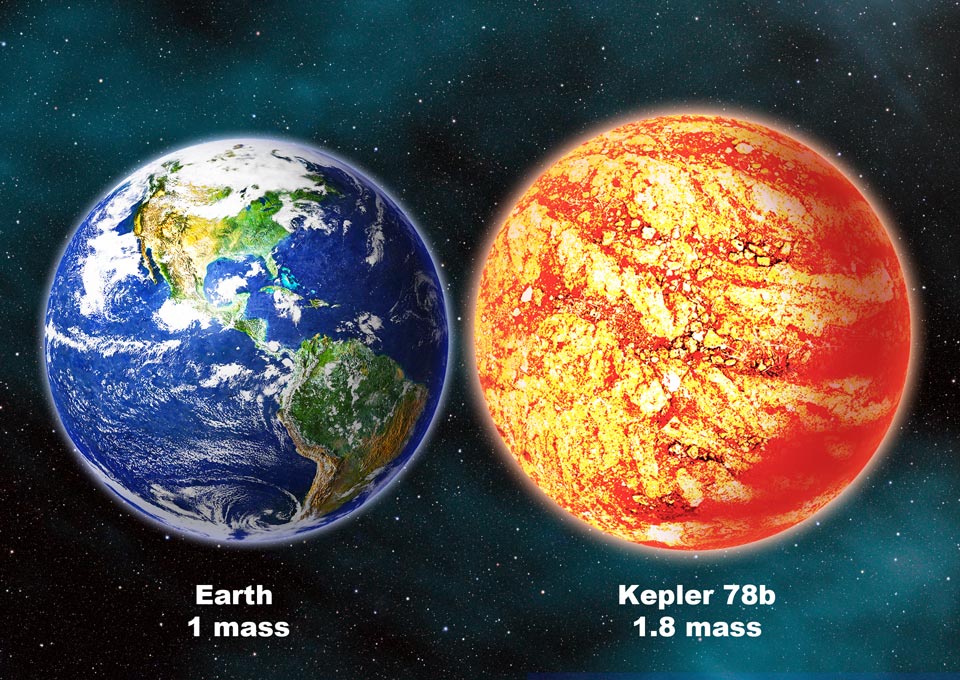
Scientific Models and Physical Reality
Scientific models do not merely describe the world; they negotiate the tension between our limited data and the vast complexity of physical reality.
Inference Models Across Scientific Scales
From the subatomic behavior of ions to the vast evolution of galaxies, scientific models act as the essential bridge between raw observation and physical law.
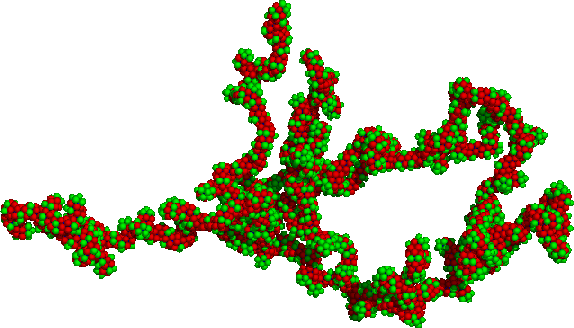
Scientific Models and Physical Reality
From the microscopic behavior of ions to the explosive dynamics of galactic nuclei, scientific models serve as the essential, if imperfect, scaffolding for our understanding of the physical world.
Inference Geometry: Modeling Complex Systems
From the electron clouds of ions to the birth of the first galaxies, scientific modeling is the art of choosing which complexities to ignore.
Geometric Inference in Scientific Modeling
Scientific modeling serves as a bridge between the raw data of observation and the underlying physical laws that govern the universe.
Scientific Models as Constrained Simplifications
Scientific modeling is less a mirror of nature than a deliberate, constrained simplification of it.