
Precision Metrics in Space Exploration
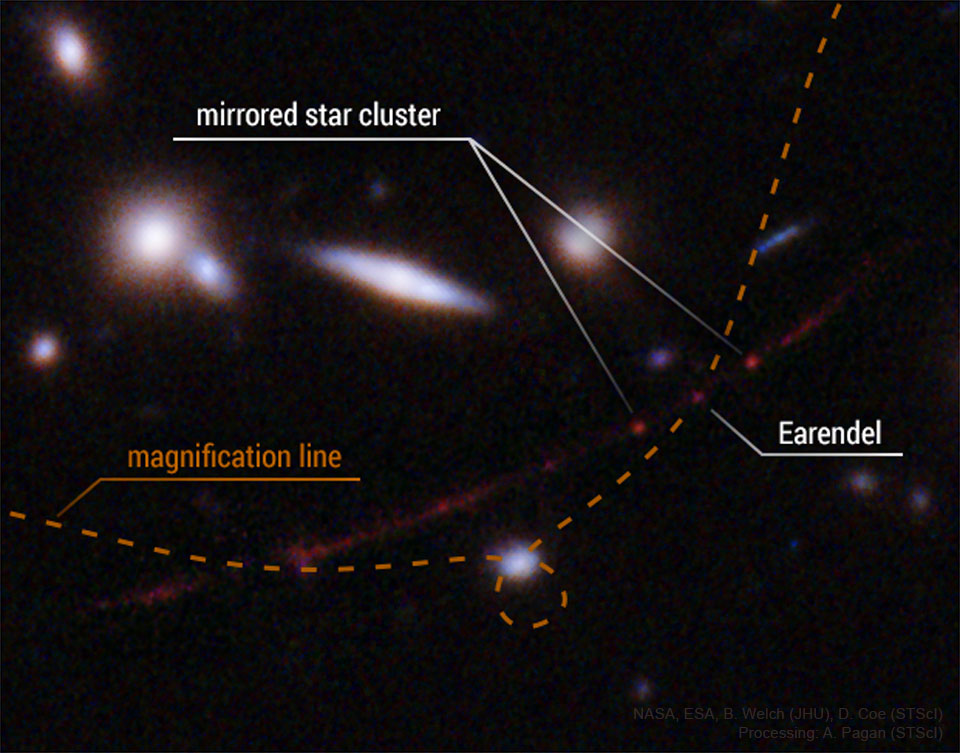
From the chemical secrets of molecular clouds to the navigation of asteroids, the pursuit of space science is a study in incremental precision.
Evidence in the Margins
Clinical research is less a march toward certainty than a continuous, careful effort to measure the human condition.
Cellular Dynamics in Changing Environments
Modern biology increasingly views the cell not as a static container, but as a dynamic, communicative entity that constantly reconfigures its internal machinery to survive environmental stress.

Framing Human Experience Across Centuries
Across centuries and media, the impulse to capture, categorize, and project human experience remains a constant, whether through the stroke of a brush or the lens of a telescope.

Cancer Evolution in Dynamic Biological Systems
Modern oncology is shifting from a static view of tumors as monolithic masses to a dynamic understanding of them as complex, evolving systems influenced by everything from the gut microbiome to the nervous system.
Evidence frameworks in modern scientific discovery
Across diverse disciplines, the integrity of scientific discovery rests less on the power of our machines and more on the transparency of the frameworks we build to contain them.

Epidemiology and the Patterns of Survival
Epidemiology is not merely the accounting of illness, but the rigorous mapping of the factors that dictate who survives and why.

Cosmic Dawn Anomalies in Early Galaxy Formation
Recent observations from the James Webb Space Telescope have forced a radical reassessment of how the first galaxies and black holes emerged from the primordial dark.
Avian Adaptation Strategies and Evolutionary Niches
From the specialized bills of shorebirds to the terrestrial habits of the seriema, the study of birds reveals a world of precise adaptation and fragile equilibrium.

Public Spaces Shaped by Human Needs
Urban planning is less about the placement of steel and stone than it is about the quiet, persistent negotiation of human needs.
Evidence, Speed, and the Fragile Record
Modern medical inquiry balances the slow, methodical accumulation of evidence against the pressures of rapid innovation and the persistent risk of systemic failure.
Academic Integrity Amidst Generative AI
As generative AI reshapes the classroom and the laboratory, the traditional mechanisms for ensuring academic honesty are struggling to keep pace.
Biological Rhythms Governing Human Cognition
From the cellular mechanics of memory to the philosophical implications of a deterministic mind, the brain remains a complex landscape of rhythms and reactions.
Precision Farming Methods
Modern agriculture operates at the intersection of precise digital monitoring, climate-driven resource management, and the biological control of pests.
Mapping the Unseen Expansion
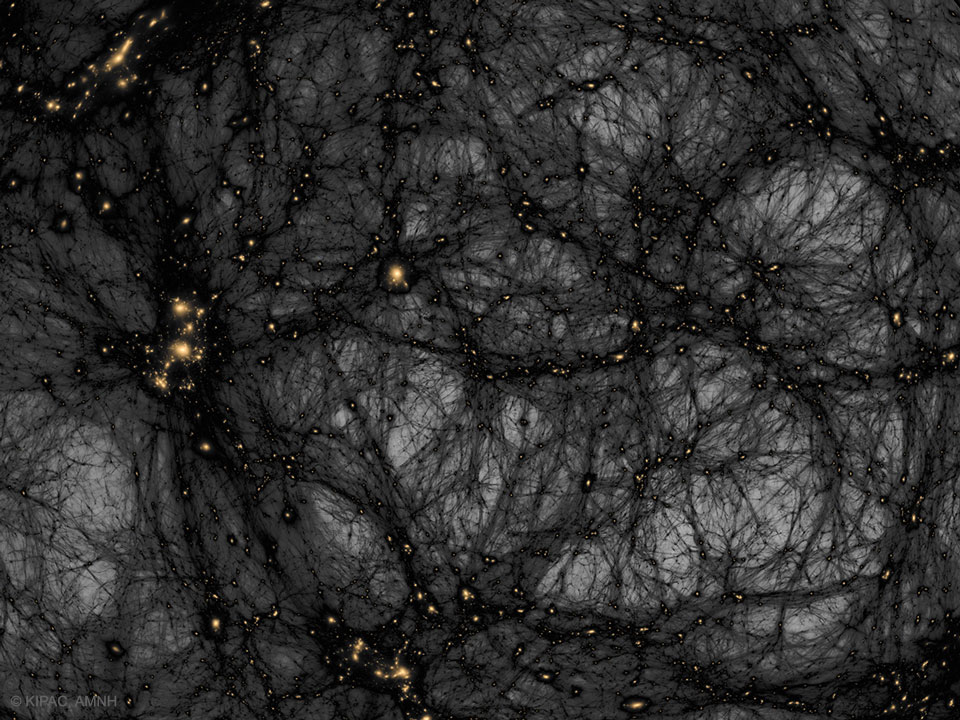
As our instruments reach deeper into the past, the standard model of the universe is being tested by new data and the persistent mystery of dark energy.
Calculated Risks in a Warming World
From the burning embers of risk assessment to the high-altitude monitoring of glacial lakes, the evidence of a warming world is increasingly precise.

Public Records Preserving LGBTQ History
From the quiet corners of local archives to the glare of the national stage, the effort to document LGBTQ lives remains an act of defiance against erasure.
Bioactive Scaffolds for Cellular Integration
Biomedical engineering is shifting from the design of static implants to the creation of responsive, integrated systems that work in concert with human biology.
Cosmic Observation and Its Mechanical Limits
From the mechanics of early timekeeping to the chemical signatures of distant protostars, our effort to map the cosmos remains a study in the limits of observation and the ingenuity of interpretation.
Climate Pledges and Domestic Policy Alignment
Translating international climate pledges into domestic reality requires more than good intentions; it demands a rigorous alignment of finance, policy, and infrastructure.

Neural Landscapes and Environmental Influence
From the influence of ambient temperature on the developing brain to the digital transformation of therapy, the mechanisms of mental health are as much about our environment as they are about our biology.

Biotechnology Rewriting Biological Systems
From the precision of gene-editing tools to the untapped potential of plant-based chemistry, biotechnology is fundamentally rewriting our relationship with the biological world.

Light Spectrum Dynamics in Space
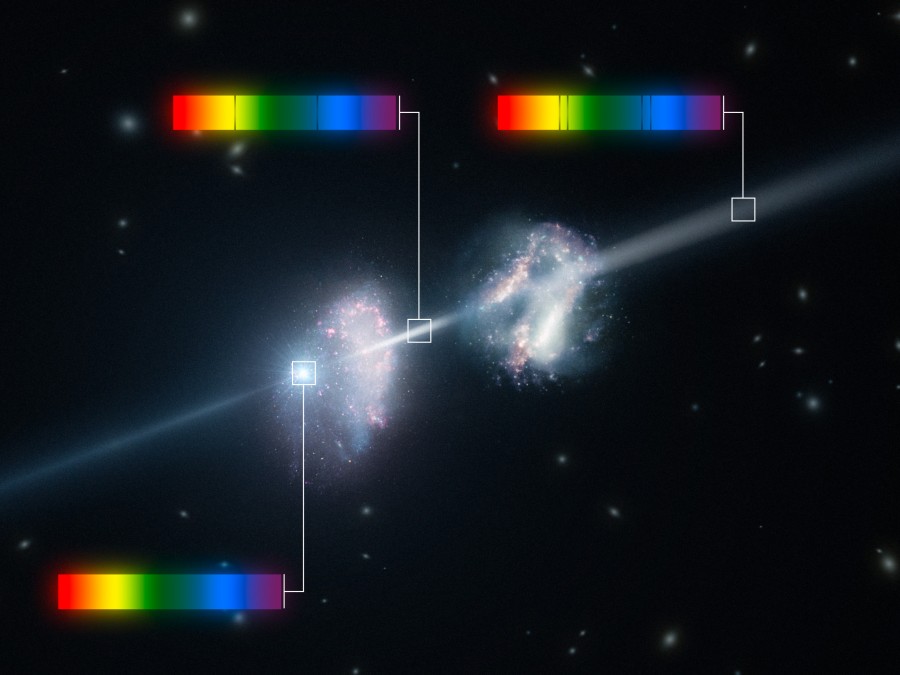
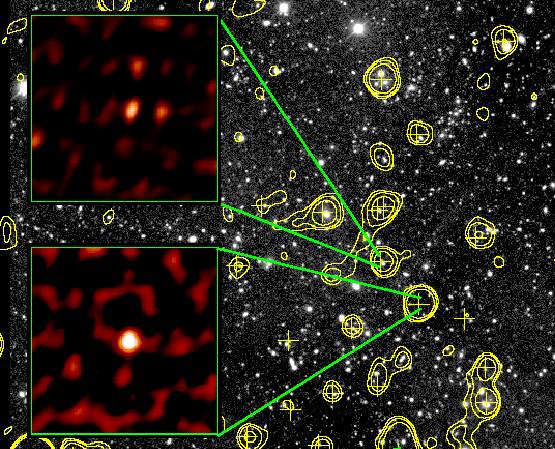
By synthesizing light across the spectrum, astronomers are moving past simple snapshots to map the hidden dynamics of a restless universe.
Governance Friction in Environmental Policy
From the microscopic precision of membrane technology to the blunt force of border walls, environmental policy remains a volatile intersection of scientific ambition and political friction.

Geography determines public health outcomes
From the dumpsites of Kinshasa to the insurance markets of Florida, public health is defined not just by medicine, but by the systems that either protect or abandon us.
Small Scales and Large Errors
From the stabilization of minerals to the precision of quantum traps, the manipulation of the infinitesimal remains a field defined by both rigorous discovery and the persistent necessity of self-correction.
Evidence in the Aggregate
From the synthesis of large-scale data to the refinement of patient-reported outcomes, clinical research is evolving to better capture the complexities of human health.
Signals in the Noise
Modern environmental science relies on refining our ability to detect what is hidden, whether in the deep earth, the atmosphere, or the microscopic world.
Cellular Negotiation: Dynamics of Metabolic Survival
Modern biology increasingly views the cell not as a static container, but as a dynamic site of constant metabolic negotiation and environmental response.
Frames and Voids in Visual History
From the terracotta jars of antiquity to the deep-space data of the James Webb telescope, the history of the image is a study in what we choose to frame and what we leave to the imagination.