Public Spaces Shaped by Human Needs
Urban planning is less about the placement of steel and stone than it is about the quiet, persistent negotiation of human needs.
The Human Scale of Planning
The modern city is often treated as a static backdrop, a collection of streets and structures that exist independently of the people who navigate them. Yet, the history of urban development suggests that the physical form of a city is a direct reflection of the values held by those who design it. From the mid-century planning of Margaret Feilman in Western Australia to the contemporary, theory-driven practice of Susana Torre, the field has long been a struggle between rigid, top-down control and the nuanced needs of diverse populations. Whether rebuilding post-war landscapes or integrating social equity into the design of a fire station, the most successful interventions are those that acknowledge the city as a living, breathing entity.
Designing for Inclusion
Designers like Feilman and Torre demonstrated that the act of planning is inherently political. By advocating for public education on urban needs or challenging the traditional programs of civic buildings—such as Torre’s firehouse design that replaced locker-room culture with communal kitchen spaces—these practitioners proved that space can dictate social interaction. Today, this legacy continues in the push for 'missing middle' housing. In places like Colorado, the simple act of rezoning for duplexes and townhomes is a technical solution to a social crisis, illustrating how small adjustments to land-use policy can significantly expand housing supply and improve urban accessibility.
The most successful interventions are those that acknowledge the city as a living, breathing entity.
Beyond the Concrete Pipe
While architects focus on the building, the broader environment often suffers from a lack of genuine community participation. Sustainable drainage systems, intended to manage water and improve resilience, are frequently implemented as purely technical flood-risk projects. Research indicates that when these systems are designed without public input, they fail to deliver their full potential. True urban resilience requires a shift toward 'placemaking,' where water management is integrated into the social fabric of a neighborhood, turning infrastructure into a shared asset rather than a hidden utility.
True urban resilience requires a shift toward placemaking, where water management is integrated into the social fabric of a neighborhood.
The Gendered Experience of Space
The experience of the city is also deeply gendered. Research suggests that urban greenspaces, while theoretically restorative, do not offer equal benefits to all. Factors such as safety, transport accessibility, and the maintenance of public areas create barriers that disproportionately affect women and gender minorities. When the person-environment fit is low, the restorative potential of a park is diminished by the cognitive load of navigating potential threats or exclusionary social dynamics. A city that is not safe or accessible for everyone is, by definition, failing its primary purpose as a public resource.
Growth and the Carbon Ledger
As cities expand, the pressure on land and resources becomes a matter of survival. In rapidly growing regions like Bangladesh, the challenge is to manage expansion without sacrificing the very qualities that make a city livable. Simultaneously, the global push toward carbon neutrality requires a rigorous, data-driven approach to building operations. In China, the projected carbon peak for commercial buildings highlights the massive disparity between provinces, emphasizing that regional planning must be as precise as it is ambitious. Without this level of oversight, the environmental cost of urbanization will continue to outpace our ability to mitigate it.
The Vanishing Night
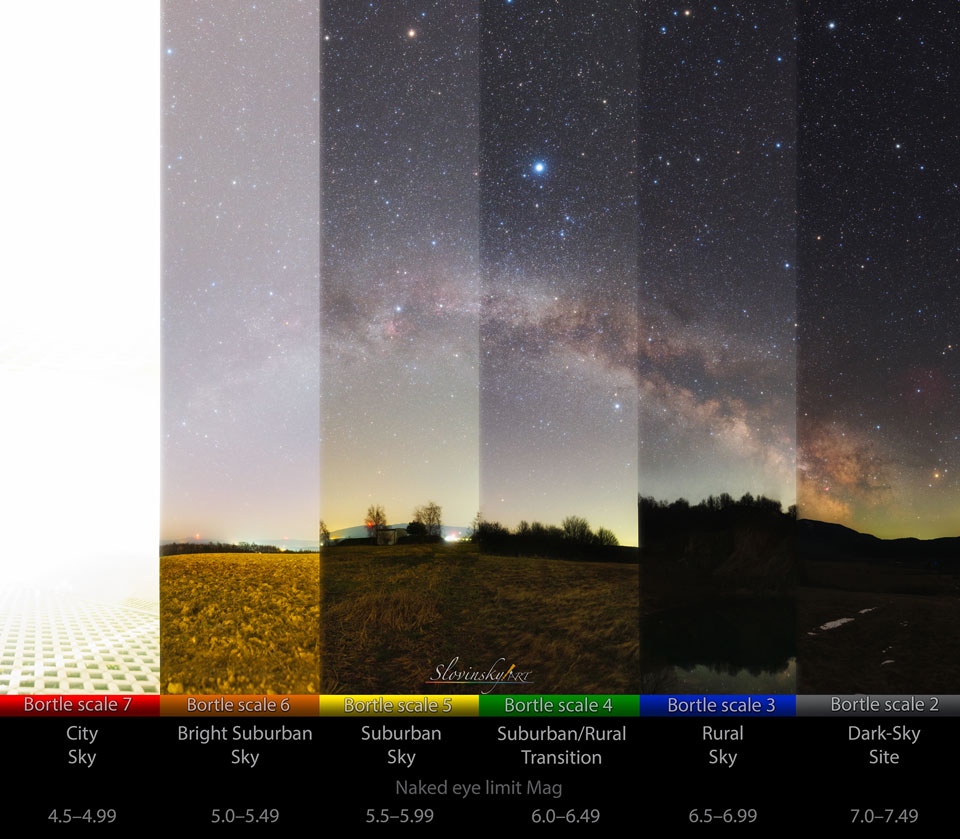
The night sky itself has become a casualty of this unchecked growth. Artificial light, often installed under the guise of security, is frequently wasted, brightening the atmosphere while doing little to prevent crime. This light pollution is not merely an aesthetic loss; it disrupts wildlife and impacts human health. Protecting the dark sky requires a shift in how we conceive of urban lighting—favoring shielded, targeted solutions that respect the boundary between the city and the natural world. It is a reminder that the most sophisticated urban planning must eventually account for the stars.