Precision Farming Methods
Modern agriculture operates at the intersection of precise digital monitoring, climate-driven resource management, and the biological control of pests.
The Limits of Input
The management of winter wheat, a staple of global food security, has moved into an era of granular intervention. In regions like Henan, China, the traditional practice of blanket irrigation and fertilization is being superseded by data-driven strategies that treat the field as a complex, variable system. Recent experiments demonstrate that yield does not scale infinitely with inputs; rather, it hits a biological ceiling. Once irrigation exceeds 100 millimeters and nitrogen application crosses the 200-kilogram-per-hectare threshold, the marginal gains vanish. The challenge for modern growers is to find the "sweet spot" where resource use efficiency is maximized without sacrificing the final harvest.
Yield does not scale infinitely with inputs; rather, it hits a biological ceiling.
Seeing Through the Canopy
To navigate these limits, researchers are turning to unmanned aerial vehicles (UAVs) that capture more than just the standard vegetation indices. While the normalized difference vegetation index (NDVI) is a common metric for plant health, it often suffers from saturation in high-density crops, obscuring subtle variations in growth. By integrating NDVI with texture analysis—specifically the measurement of contrast within the canopy—scientists can now identify structural inconsistencies that indicate inefficient resource uptake. This dual-layered approach allows for a more nuanced understanding of how crops respond to specific water and nitrogen regimes, turning aerial imagery into a roadmap for precise field management.
Managing Stress in a Warming Field
The climate in which these crops grow is becoming increasingly volatile, with heat and drought often converging during the critical reproductive stages of wheat. This combined stress is far more damaging than either factor in isolation, forcing a recalibration of how nitrogen is applied. Counterintuitively, reducing nitrogen supply during these periods can actually mitigate the suppression of growth, helping the plant maintain better water and nitrogen use efficiency. By adjusting the chemical input to match the environmental stress, farmers can protect the grain-filling process, which is otherwise compromised by the dual pressure of high temperatures and moisture deficits.
Combined stress is far more damaging than either factor in isolation, forcing a recalibration of how nitrogen is applied.
The Catchment as a Climate Barometer
Beyond the crop itself, the agricultural catchment acts as a conduit for environmental change. Long-term monitoring of Irish agricultural lands reveals that the movement of nutrients like nitrate and phosphorus into surface water is not merely a matter of soil chemistry, but a direct response to shifting weather patterns. As air and soil temperatures rise and precipitation trends change, the dynamics of pollutant loss become more erratic. Mitigation strategies that were designed for a stable climate are increasingly inadequate, as they fail to account for the heightened sensitivity of catchments to these seasonal and inter-annual climatic drivers.
Molecular Precision in Livestock Health
The complexity of agricultural science extends from the field to the laboratory, where the focus shifts to the health of livestock and the control of pests. In the swine industry, the porcine epidemic diarrhea virus (PEDV) has necessitated the development of more stable, broad-spectrum vaccines. By replacing the S2 subunit of the virus using reverse genetics, researchers have created chimeric strains that are safer and more effective at inducing immunity across different viral lineages. This rational design approach demonstrates how molecular precision can address the rapid genomic variation of pathogens that threaten global food supplies.
The Unseen Inhabitants of the Storehouse
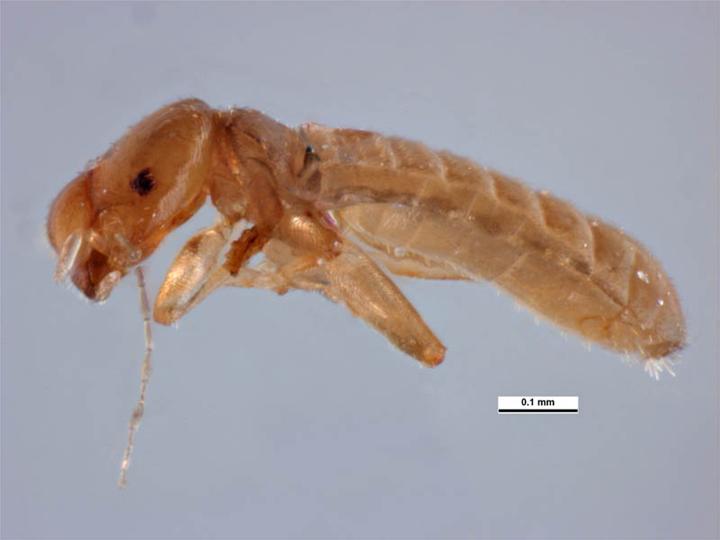
Even the smallest inhabitants of a grain store can disrupt the agricultural chain. The booklouse, Liposcelis bostrychophila, has evolved from a minor nuisance into a significant pest of stored cereals, largely due to its resistance to traditional chemical controls and its ability to reproduce through parthenogenesis. Interestingly, its role is not strictly destructive; it has been observed preying on mosquito eggs in research laboratories. This dual nature—as a resilient, hard-to-control pest and an unexpected biological agent—highlights the unpredictable ways in which organisms interact within the human-managed environments of warehouses and silos.