Hidden Influences: Women Shaping Global History
Across centuries and continents, women have shaped the intellectual and political landscapes of their worlds, often from positions that history has been slow to acknowledge.
The Scholar and the Abbess
In the Eastern Han dynasty, Ban Zhao occupied a singular position as a historian and philosopher, completing the monumental Book of Han left unfinished by her brother. Her work extended beyond the preservation of dynastic records into the realm of social instruction, where she codified the conduct of women in a society that rarely permitted them a public voice. Her intellectual reach was vast, spanning mathematics, astronomy, and the complexities of imperial court life. Centuries later and worlds away, the figure of Brigid of Kildare emerged from the mists of early medieval Ireland. Whether she was a singular historical actor or a Christianized iteration of a pagan deity, her legacy as an abbess and founder of convents represents a foundational assertion of female authority in a nascent religious order. Both women, one through the pen and the other through the enduring power of hagiography, established frameworks for learning and governance that persisted long after their own lives concluded.
The preservation of history and the foundation of institutions have frequently relied upon the quiet, persistent labor of women whose influence was as profound as it was overlooked.
Exploration and the Mapping of Empire
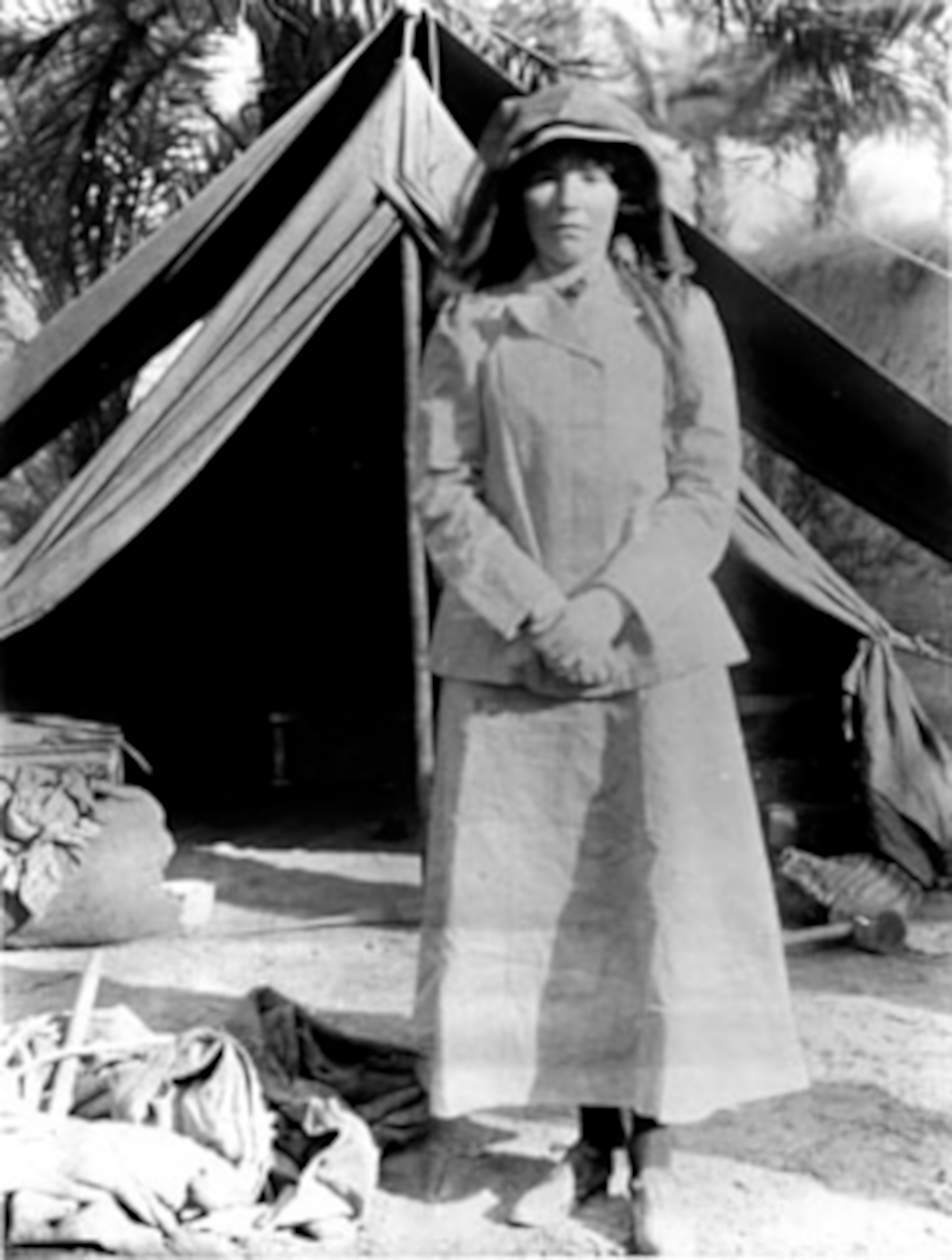
The act of mapping the world has long been a pursuit of those with the means to traverse it, yet the contributions of women to this field are often obscured by the prevailing political structures of their time. Gertrude Bell, a British traveler and archaeologist, utilized her extensive knowledge of the Middle East to become a central figure in the post-war partition of the Ottoman Empire. Her influence on the creation of modern state boundaries and her advocacy for Hashemite monarchies demonstrate a level of political agency rarely afforded to women in the early twentieth century. Similarly, Sacagawea’s role in the Lewis and Clark expedition was essential to the mission's success. Her ability to navigate vast territories and facilitate cultural exchange between the expedition and Native American nations provided the necessary knowledge for the expansion of American territorial reach. While their motivations differed—one operating within the mechanisms of colonial administration, the other navigating the survival of her people amidst an intrusive expedition—both women were instrumental in defining the geography of their respective eras.
The Radical Margin
History is also written by those who seek to dismantle the status quo. Marie Louise Berneri, an anarchist writer and activist, spent her short life in a state of constant intellectual and political resistance. From her editorial work in London to her rigorous analysis of utopian thought, she challenged the authoritarian impulses of her age, particularly the rise of Stalinism. Her life was defined by the conviction that the structures of power were inherently corruptible and that the intellectual pursuit of freedom was a necessary, if dangerous, vocation. This commitment to the margins is echoed in the work of Edythe Eyde, who, under the pseudonym Lisa Ben, published the first magazine for lesbians in 1947. By creating a space for a marginalized community, she anticipated a future that society was not yet prepared to acknowledge. Both women operated outside the traditional halls of power, using their writing to construct alternative visions of social organization.
To write from the periphery is to recognize that the most significant shifts in human thought often begin in the spaces where the state is not looking.
Labor and the Mythic Inheritance
The struggle for dignity often requires a bridge between the practical demands of the present and the symbolic power of the past. Mother Jones, a teacher turned labor organizer, understood that the survival of the working class depended on the coordination of collective action against the unchecked power of industry. Her efforts to ban child labor and her foundational role in the Industrial Workers of the World were grounded in a pragmatic, relentless activism that demanded immediate change. In a different register, the revival of pagan traditions in the late nineteenth century, as seen in the work of Roma Lister and the circulation of the gospel of the witches, suggests that the reclamation of ancient feminine archetypes can serve as a potent tool for cultural identity. Whether through the direct confrontation of a picket line or the speculative recovery of a lost spiritual lineage, these women sought to reshape the world by asserting their own definitions of justice and belonging.