Patterns in the Chaos
The modern study of catastrophe is less about predicting the inevitable than mapping the complex, cascading ways our world unravels.
The Anatomy of a Compound Event
The traditional view of natural disaster—a discrete, isolated shock—is increasingly insufficient. In the Asian region, researchers are identifying a new typology of hazard: the compound event. These are not merely heavy rains or heatwaves in isolation, but the synergistic interaction of multiple climatic stressors. The 2022 floods in the Indus River Basin serve as a sobering case study, where the combination of monsoon rainfall, pre-monsoon heat, and accelerated glacial melt created a disaster far greater than the sum of its parts. This complexity extends to the synoptic drivers of flooding in Kerala, where researchers have identified recurring atmospheric patterns that mimic mid-latitude atmospheric rivers. By moving beyond simple precipitation metrics and adopting multivariate analysis, meteorologists are finding that these complex events possess a degree of predictability that was previously obscured by the noise of singular variables.
We are learning that the most dangerous events are rarely singular, but rather a convergence of disparate, predictable forces.
The Cryosphere in Retreat
High-mountain environments are undergoing a transformation that renders historical data obsolete. In the Ladakh region, the rapid expansion of proglacial lakes—some growing by nearly 80 percent in two decades—has created a high-hazard landscape where the failure of a moraine dam could release thousands of cubic meters of water per second. These glacial lake outburst floods are not merely geological accidents; they are the direct consequence of a warming climate that is thinning the very glaciers that once held these lakes in check.
Simultaneously, the threat of snow avalanches in poorly gauged mountain regions is being re-evaluated through new modeling indices. By integrating remote sensing with terrain and land-use data, researchers can now map susceptibility even where historical records are nonexistent. The shift here is from reactive observation to proactive spatial modeling, allowing for land-use planning that accounts for a shifting, unstable cryosphere.
The Erosion of Natural Buffers
Coastal ecosystems, such as mangroves, salt marshes, and coral reefs, have long acted as the primary defense against the fury of tropical cyclones. However, the intensification of these storms between 1970 and 2019 has begun to challenge the resilience of these biological buffers. The damage is not uniform; it is a complex interaction where wind speed dictates the fate of mangrove forests, while storm surges and salinity changes determine the survival of coral reefs and seagrass meadows.
This trend suggests that we are witnessing a systemic degradation of the very infrastructure that protects human livelihoods. As storm intensity climbs, the capacity for these ecosystems to recover between events diminishes, potentially leading to a permanent alteration of coastal community structures. The threat is no longer just the storm itself, but the loss of the natural defenses that have historically mitigated the impact of such events.
Coastal resilience is not a static quality, but a fragile equilibrium currently being tested by the increasing intensity of the North Atlantic.
The Scale of the Unforeseen
While climate-driven disasters dominate the current discourse, the geological and extraterrestrial threats remain a constant, if sporadic, feature of our environment. Recent seismic activity across the Philippines, the Northern Mariana Islands, and Alaska serves as a reminder of the Earth's restless crust. These magnitude 4.8 to 5.0 events occur with a regularity that demands constant monitoring, even if their human impact is often localized.
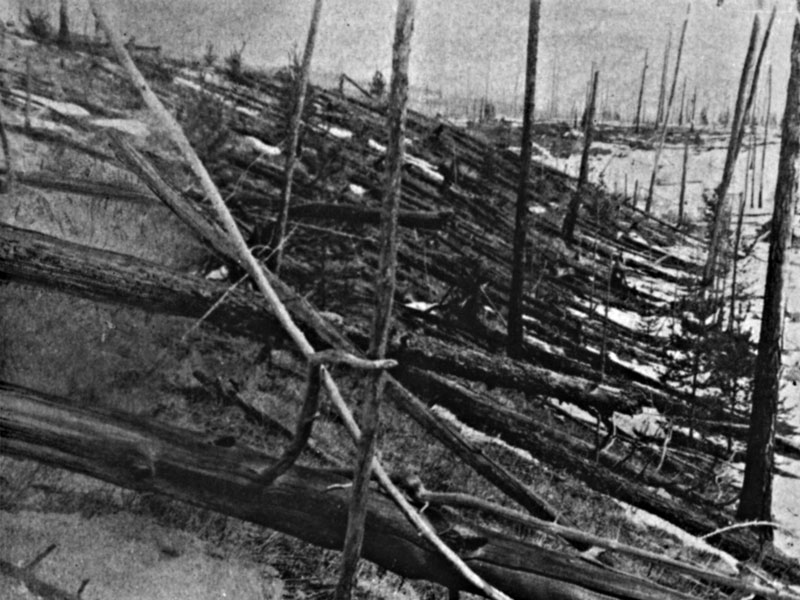
At the other end of the spectrum lies the rare but catastrophic impact event, such as the 1908 Tunguska explosion. While metropolitan areas occupy a small fraction of the Earth's surface, the potential for a meteor to trigger a tsunami or level a forest remains a focus of modern astronomy. Whether it is a wildfire in Florida or a shifting tectonic plate in the Pacific, the challenge remains the same: identifying the precursors to events that, while rare, possess the power to reshape the landscape in an instant.