Strange Constants in Cultural History
From the halls of Norse myth to the modern monster film, our cultural history is a restless attempt to map the intangible.
Mythic Projections
Humanity has long sought to externalize its anxieties through the construction of mythic spaces and monstrous projections. In Norse tradition, the hall of Valhalla served as a brutal, idealized afterlife, a place where the carnage of the battlefield was transmuted into a glorious, eternal martial state. This belief system likely provided a psychological scaffolding for the Viking era, offering a sense of purpose to the violent realities of their time. It was a way to organize the chaos of death into a coherent, if terrifying, narrative of survival and divine favor.
Centuries later, this impulse to manifest the intangible persists, albeit in different registers. The Japanese kaiju genre, which rose to prominence in the mid-20th century, functions as a modern iteration of this myth-making. Where the Norse looked to the heavens for a hall of the slain, the post-war Japanese imagination looked to the horizon for the arrival of the strange beast. These creatures, often born of nuclear dread, serve as visceral metaphors for social and political instability. Both the ancient hall and the modern monster are mechanisms for processing the unbearable, turning the abstract horrors of human existence into something that can be confronted, if not controlled.
Culture is less a static inheritance than a restless negotiation between the ghosts we carry and the cities we build.
The Architect of Sentiment
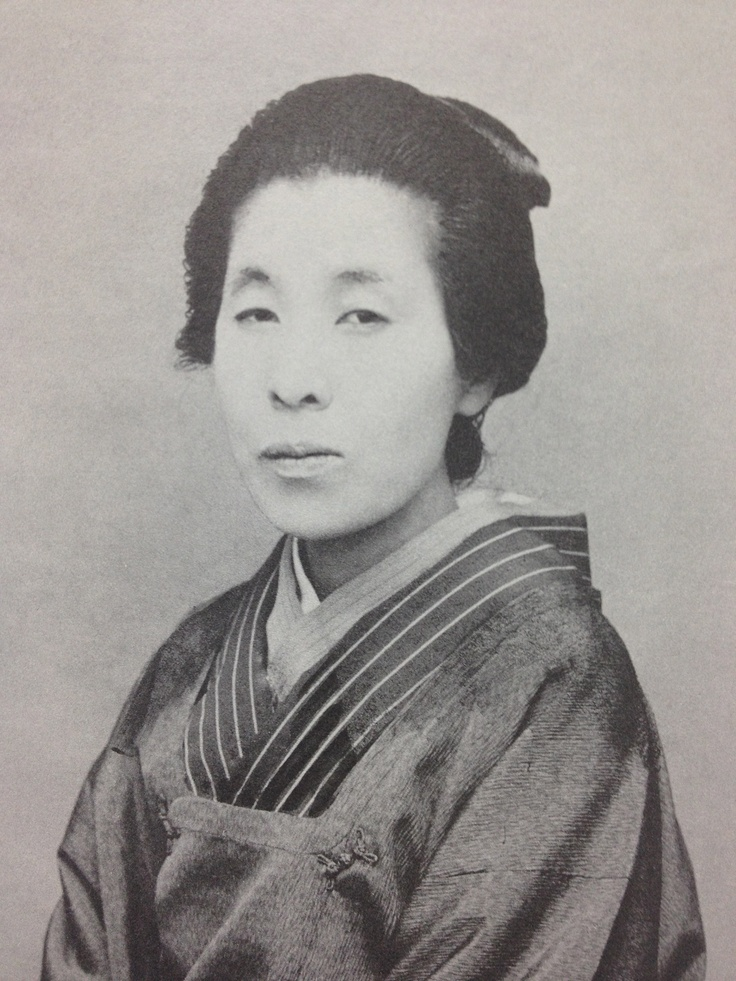
The role of the individual creator within these cultural frameworks is frequently one of quiet subversion. Uemura Shōen, working within the rigid expectations of the nihonga style in early 20th-century Japan, managed to navigate a path that was both traditional and path-breaking. While her bijin-ga paintings of beautiful women initially adhered to established aesthetic standards, she eventually infused the genre with a psychological depth that reflected the changing status of women in the workforce. Her rise to prominence—becoming the first woman to receive the Order of Culture—was a quiet defiance of a society that preferred its female artists to remain amateurs.
Similarly, Naomi Shemer became the architect of a modern Israeli songbook that transcended mere entertainment. By creating works that functioned as cultural touchstones, she helped define the collective identity of a nation in flux. Like Shōen, Shemer worked within the constraints of her medium to articulate something essential about the human experience. Both women demonstrate that the most enduring cultural contributions often emerge from those who master the traditional forms of their time only to reshape them from within.
The Market of Wonder
The commercialization of culture often creates its own peculiar mythology, one defined less by divine halls or monsters than by the sheer force of public demand. The phenomenon of 'Lindomania' in the 1850s, surrounding the American tour of Swedish soprano Jenny Lind, illustrates how quickly a performer can be transformed into a cultural object. Orchestrated by P.T. Barnum, the tour turned concert tickets into high-stakes commodities, with prices driven up by auction and public fervor.
This frenzy was not merely about the music; it was about the participation in a singular, manufactured event. The tickets and programs that survive today are artifacts of a moment when the public appetite for a 'Swedish Nightingale' eclipsed the music itself. It serves as a reminder that the history of culture is also a history of the marketplace, where the value of an artist is frequently measured by the scale of the crowd they can command.
The frenzy of the crowd is often a mirror, reflecting not the quality of the art, but the intensity of the collective hunger for a shared experience.
The Archive and the Act
The preservation and categorization of cultural history are themselves acts of curation that shape our understanding of the past. From the exhaustive, multi-volume attempts of Giulio Ferrario to document the costumes and customs of all peoples, to the 1964 exhibition of Swedish folk art at the Smithsonian, these efforts reveal a desire to map the human experience. We are constantly organizing the world into archives, exhibitions, and musical traditions, such as the rhythmic complexities of the Indonesian kendang, to ensure that the disparate threads of human ingenuity are not lost.
Yet, this curation is never neutral. It is an ongoing conversation between the present and the past, managed by figures like Nike Wagner, who navigate the weight of familial and cultural legacies. Whether through the study of ancient drums or the administration of modern festivals, the work of maintaining culture is a process of constant reinterpretation. We do not simply inherit the past; we curate it, refine it, and occasionally, when the need arises, reinvent it to suit the demands of our own time.