Climate Models and Input Fidelity
As climate models grow more sophisticated, the challenge lies not in the complexity of the code, but in the fidelity of the inputs and the physical consistency of the results.
The Data Paradox
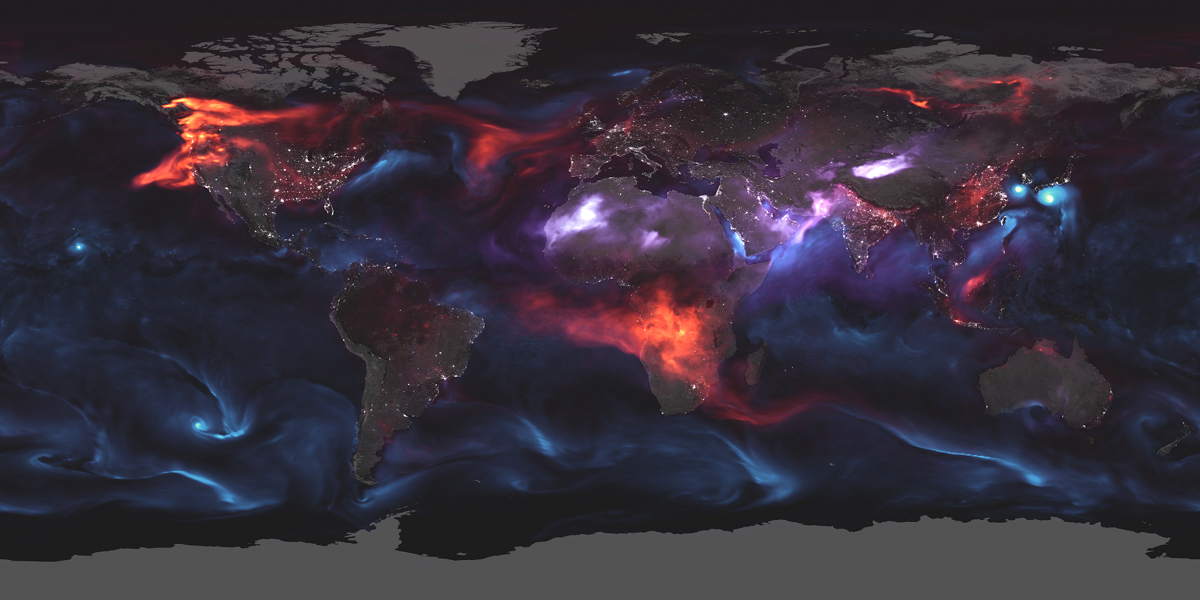
The modern climate model is less a singular entity than a sprawling, collaborative effort to simulate the planetary metabolism. Whether tracking the movement of ammonia through agricultural cycles or the slow, grinding deformation of the Antarctic lithosphere, these models rely on a delicate synthesis of satellite observations, ground-based sensor networks, and historical reanalysis data. Yet, as the resolution of these simulations increases, the reliance on raw data creates a paradox: the more information we feed into the system, the more we must grapple with the inherent biases and gaps within that data.
Geography as a Constraint
Selecting the right dataset for a hydrological or atmospheric model is rarely a matter of picking the most comprehensive source. Research indicates that gridded climate products—whether derived from satellites or ground stations—carry distinct signatures based on their origin. Ground-based datasets often excel in precision for temperature and precipitation, but their accuracy is tethered to the density of the underlying station network. In mountainous or sparsely monitored regions, reanalysis products frequently outperform ground-based observations, suggesting that the 'best' dataset is highly contingent on the geography of the study area.
The 'best' dataset is highly contingent on the geography of the study area.
Beyond Algorithmic Complexity
The push to refine these models has led to a reliance on machine learning for error correction, particularly in precipitation and weather downscaling. However, a recent shift in methodology emphasizes 'mechanism purity' over mere algorithmic complexity. When models attempt to correct satellite precipitation data, they often encounter 'silent failures'—instances where variables like wind direction reverse seasonally, causing the model to misinterpret physical relationships. By focusing on the underlying physical consistency rather than just statistical fit, researchers are finding that simpler, more robust frameworks often outperform high-dimensional neural networks that lack a grounding in physical reality.
The Microclimate Gap
While global models provide the broad strokes of climate change, the local experience is often dictated by microclimates. Forests, for instance, act as natural buffers, shielding understory species from the extremes of the macroclimate. New research into plant response curves shows that core forest specialists thrive in these buffered zones, while generalists prefer amplified conditions. Incorporating these sub-grid dynamics into climate models is essential for understanding biodiversity loss, as the loss of canopy cover does not merely change the average temperature; it fundamentally alters the ecological niche available to the species beneath.
The loss of canopy cover does not merely change the average temperature; it fundamentally alters the ecological niche available to the species beneath.
Attribution and the Limits of Simplification
The ultimate test for any climate model is its ability to attribute observed trends to specific forcings, such as CO2 or anthropogenic aerosols. Traditional free-running models often struggle to replicate decadal trends, prompting the development of counterfactual seasonal hindcasts. By manipulating initial ocean conditions and forcing scenarios, scientists can isolate the impact of specific drivers. However, these simulations reveal fundamental limitations; for instance, the coupled atmosphere-ocean system often fails to sustain certain temperature gradients, highlighting gaps in our understanding of long-term feedback loops. When we prescribe sea-surface temperatures to simplify these models, we risk mistaking statistical noise for genuine climate signals, underscoring the necessity of maintaining full, coupled complexity.